
Choosing the right fence contractor plays a major role in the safety, appearance, and long-term value of your property. Homeowners who work with professional fence installation services are far more likely to avoid delays, poor workmanship, and unexpected costs. This guide explains what to avoid when choosing a fence contractor and how to make a confident decision.
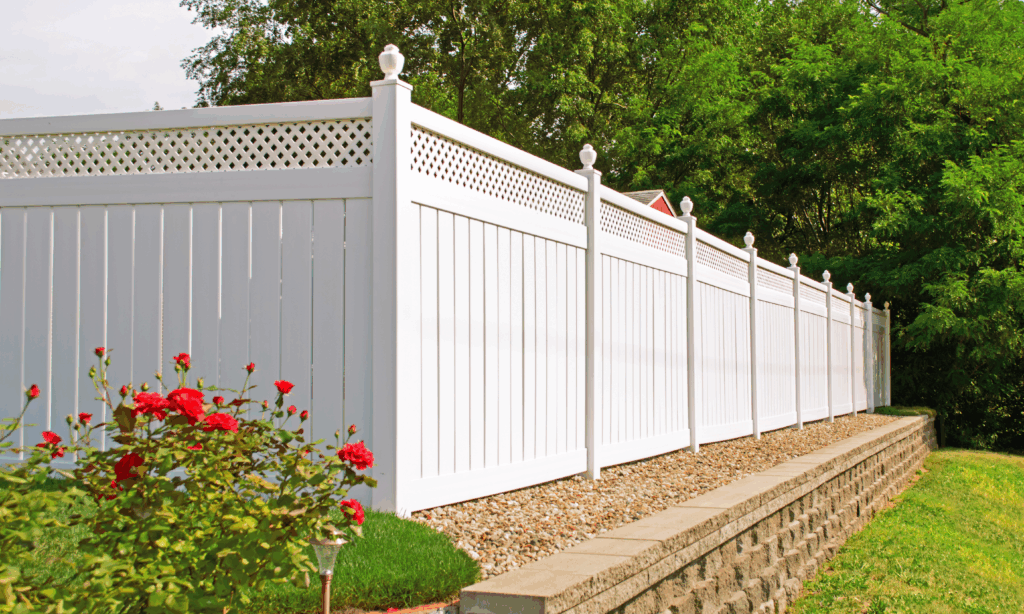
Choosing the right fence contractor can protect your property, budget, and peace of mind. Learn what to avoid, how to spot red flags, and how to hire a reliable fence installation professional with confidence.
When searching for a fence contractor near me, it’s easy to focus on the lowest quote. However, price alone does not reflect experience, material quality, or installation standards. A reliable fence contractor prices projects based on proper labor, durable materials, and local compliance—not shortcuts.
Low bids often signal:
Tip: Compare multiple written estimates and prioritize value over cost. A slightly higher quote with a clear scope and quality materials often saves money over time.
A professional fence contractor should operate legally and protect both their workers and your property. Skipping this step exposes homeowners to liability, fines, and incomplete work.
Always confirm your fence contractor provides:
Tip: If a fence contractor hesitates to provide documentation, treat it as a red flag and move on.
A trustworthy fence contractor will never rely on verbal agreements. A written contract ensures accountability, protects your investment, and prevents misunderstandings.
Your fence contractor contract should clearly include:
Tip: If it’s not written and signed, it shouldn’t be agreed to.
Most professional fence contractors only require a modest deposit to cover materials. Large upfront payments can signal financial instability or poor business practices.
Be cautious of fence contractors who:
Tip: A deposit of 10–30% is standard. Final payment should only be made after project completion.
Before hiring a fence contractor, review recent customer feedback and completed installations. Reputable companies are transparent about their work and often showcase local fence projects so homeowners can evaluate quality, style, and consistency.
A reliable fence contractor will have:
Tip: Look for reviews that mention communication, cleanup, and durability—not just price.
 Posted on Google
 Nicole Liuzzo
Trustindex verifies that the original source of the review is Google.
We had a great experience with Rosewood fencing company. They installed an aluminum fence with two sections of vinyl fencing, and it turned out beautifully. They provided an accurate quote and a clear design plan, and scheduling and installation were both timely. The team was professional, respectful, and organized, and we couldn’t be happier with the final result.Posted on Google Melanie DankowitzSame day quote, done with fence within the week. They did an awesome job!!! Communication was excellent!! You can’t get any better oh and very fair pricing as well! I am very happy with the job they did and excited to be able to enjoy privacy in my back yard. I would recommend them to anyone in need of a fence.Posted on Google
 Durk OffringaBrandon and his team are a bunch of world class dudes! He came out and bid , then they built 185ft linear fence and had old fence removed well before 4 other local companies even showed up to bid! Been in this house 35 years , replace my fence every 6-8 years and these guys were the best so far.Posted on Google
 Desiree Dubek-UramBranden was our first contact, and I must say it's nice to still have professionalism out there. Branden returned our call right away, asked many questions and was on the ball, they started the job right away and every worker on the job was friendly, hard working and there to do the job right. We feel we chose the best company around, we still haven't heard back from some other companies and I am glad! Our fence looks amazing and it was a great experience and a good price, Thank you Branden and Rosewood Fencing crew!Posted on Google
 Dierdre SmithGreat team to work with!! Eric responded quickly and was out to my home the next day. Replaced a section of fence and adjusted a gate in no time flat! Highly recommended!!Posted on Google
 Denise MurphyThese guys are the best!!! Trust me because I have been calling people for months to get estimates! They came over the same day I asked for an estimate and theirs was well below the others! Not only that but they had it done within the next few days! They were professional, kind, affordable and most of all delivered a quality installation and clean up!!! I’m including my before and after pictures! Sooooo pleased with my new fence! I cannot recommend these guys enough!Posted on Google
 Graziella PuleoWe had a really great experience with Rosewood Fencing. We dealt with Brandon and Eric. They were able to give us a quote instantly and scheduled the fence to be put up within a week. Their quote was the best out of the 5 other companies we got quotes from. Our fence came out amazing and we are extremely happy with it. Our yard is on a canal and they were able to add a third gate to have that access. They were even able to pull out our old chain link fence that we had inside our property line. Highly recommend this company!Posted on Google
 Tricia FRosewood Fencing was a pleasure to work with. The crew was very respectful to us and our property. We would definitely hire them again for a project! We highly recommend this company!!!Posted on Google
 Ryan MeaneyGreat customer service, got the job done the next day. Quality work at a fair price! Highly recommend them to anyone looking for a fence!
Installing a fence without confirming boundaries can lead to disputes, fines, or forced removal. An experienced fence contractor understands the importance of accurate property placement.
Your fence contractor should:
Tip: Never assume fence placement—verify it before work begins.
Permits are often required for fence installation, especially in residential neighborhoods or HOA-regulated areas. A knowledgeable fence contractor handles this process correctly.
Ask your fence contractor:
Tip: Contractors who suggest skipping permits may leave you responsible for violations.
A professional fence contractor will clearly define the materials being installed, including options such as vinyl fencing options or wood fence installation, based on durability, appearance, and suitability for the local climate.
Your contract should list:
Tip: Clear material details ensure durability and avoid future disputes.
A reputable fence contractor provides a realistic schedule and communicates delays clearly. Vague timelines often lead to frustration and unfinished work.
Homeowners prioritizing backyard separation or noise reduction should discuss privacy fencing solutions early in the planning process to ensure the fence design matches their goals.
Your fence contractor should outline:
Tip: Clear timelines protect your schedule and your budget
A completed fence project isn’t finished until the site is clean and inspected. Professional fence contractors treat cleanup and final approval as part of the job.
Final steps should include:
Tip: Never make final payment until you’re satisfied with the work.
Avoid contractors who:
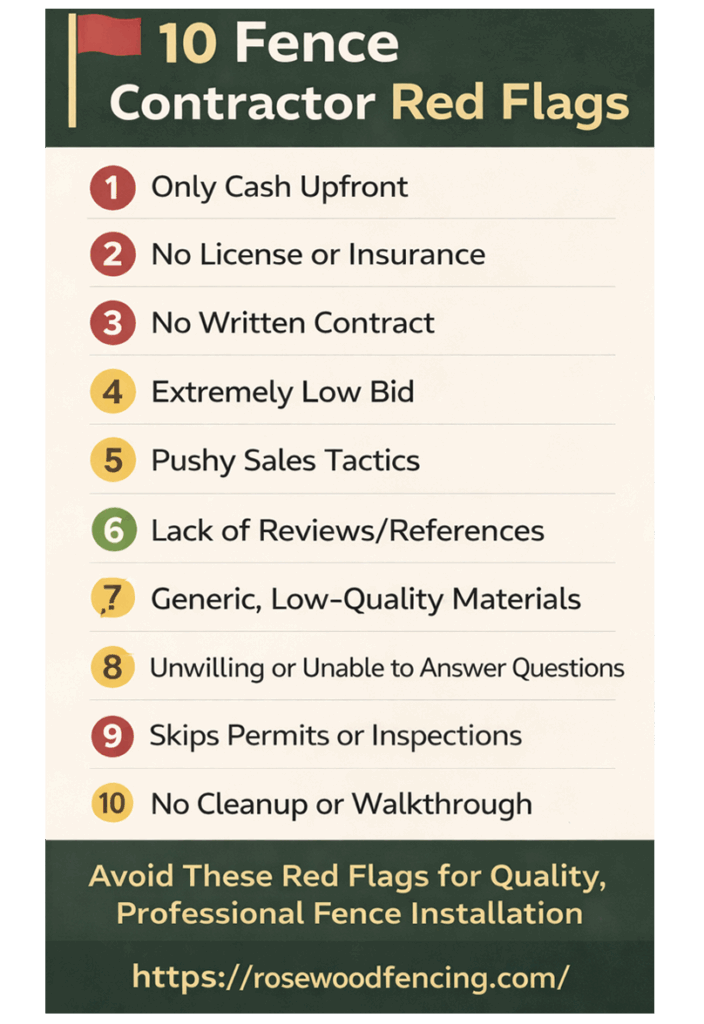
Choosing the right fence contractor takes more than a quick search or low price comparison. By avoiding these common mistakes and asking the right questions, you protect your property, your budget, and your peace of mind.
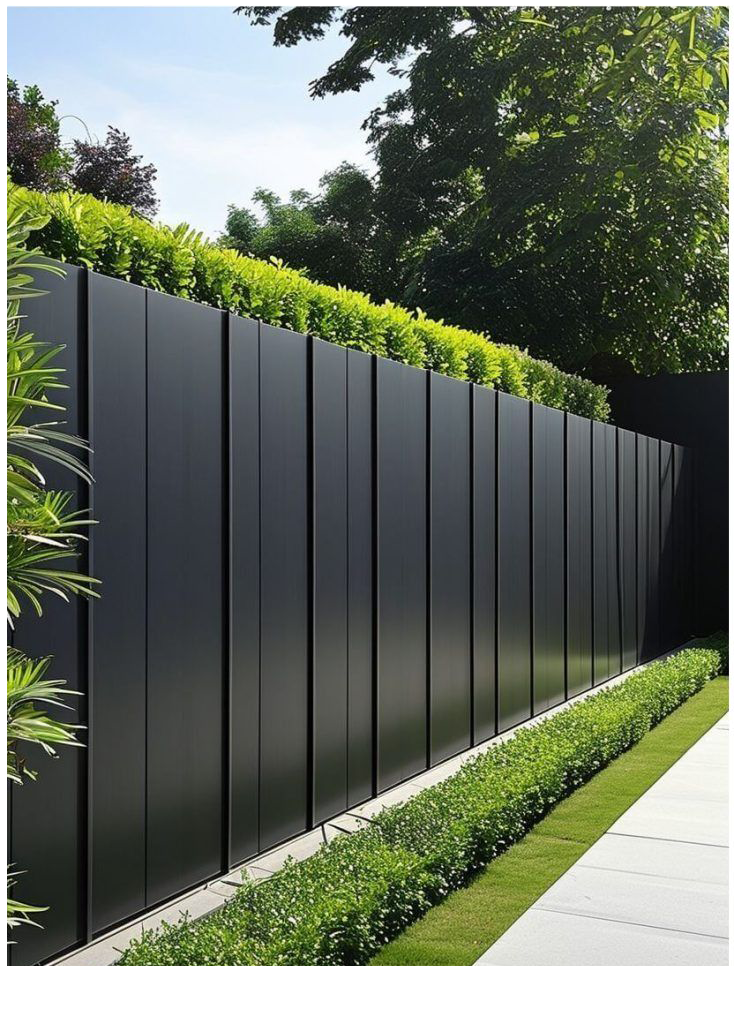
When hiring a fence contractor, look for proper licensing, insurance, written contracts, local experience, and verified reviews. A professional fence contractor should clearly explain materials, timelines, permits, and warranties before work begins.
You should get at least three written quotes from different fence contractors. This helps compare pricing, materials, timelines, and scope of work—not just cost—so you can identify fair value and avoid low-quality installations.
Yes. The cheapest fence contractor often cuts corners on materials, labor, or permits. Low bids may lead to poor durability, repairs, or code violations. Value, experience, and transparency matter more than the lowest price.
After installation, following basic care guidelines or reviewing professional fence maintenance tips can help extend the life of your fence and protect your investment.
Yes. A licensed and insured fence contractor protects homeowners from liability, ensures compliance with local building codes, and demonstrates professional credibility. Always verify documentation before signing a contract.
A reputable fence contractor should manage permits and understand local zoning or HOA requirements. Contractors who skip permits may expose homeowners to fines or forced fence removal.
Most fence contractors require a deposit of 10–30% to cover materials. Avoid contractors asking for full payment upfront. Final payment should only be made after the project is completed and approved.
Choosing the right fence contractor doesn’t have to be stressful. At Rosewood Fencing, we help homeowners make confident decisions with transparent pricing, quality materials, and professional installation.
Talk to a local fence contractor who puts quality, compliance, and long-term value first.